

Introduction:
In the realm of politics, the power of persuasion and influence is undeniable. Political actors and entities employ a wide range of strategies and techniques to shape public opinion and steer political outcomes in their favor. Among these strategies, psychological manipulation techniques hold a prominent place. By exploiting cognitive biases, leveraging emotional triggers, and employing persuasive tactics, political messaging aims to sway public perception and shape the narrative. Unmasking these psychological manipulation techniques in politics is crucial for individuals to develop critical thinking skills, make informed decisions, and actively participate in the democratic process. This exploration delves into the depths of political manipulation, shedding light on its psychological underpinnings and ethical implications.
1. Identifying Common Manipulation Techniques Used in Political Messaging:
Fearmongering:
Politicians may use fear to manipulate public opinion by exaggerating threats, highlighting worst-case scenarios, or instilling a sense of insecurity. This can lead individuals to make decisions based on emotion rather than rational thinking.
Misinformation and Disinformation:
The deliberate spread of false or misleading information to shape public opinion or discredit opponents. This can involve the use of fake news, deceptive statistics, or fabricated stories.
Emotional Appeals:
Manipulating emotions to sway public opinion by evoking strong feelings such as anger, sympathy, or hope. Emotionally charged language, personal anecdotes, and emotional appeals to values or identity are common tactics.
Logical Fallacies:
Using flawed reasoning or deceptive arguments to influence opinions. Examples include ad hominem attacks, straw man arguments, cherry-picking data, or appealing to authority without valid evidence.
Loaded Language:
Employing words or phrases with strong emotional connotations to influence perception and opinion. This can involve the use of loaded terms, euphemisms, or framing issues in a biased manner.
Selective Presentation of Information:
Manipulating public perception by presenting information selectively to support a specific narrative or agenda, while omitting contradictory or unfavorable information. This can distort the overall picture and lead to biased interpretations.
Persuasive Storytelling:
Utilizing narratives, personal stories, or anecdotes to engage emotions and create a connection with the audience. These stories can be crafted to support a particular viewpoint or agenda, even if they do not reflect the broader reality.
Framing and Spin:
Presenting information or issues in a particular context or frame that influences how they are perceived. By framing an issue from a certain perspective, politicians can shape public opinion and manipulate the way people interpret events or policies.
Image Management:
Manipulating one’s public image or reputation through carefully curated appearances, staged events, or media interactions. This can create a favorable impression and influence public perception.
Recognizing these manipulation techniques is crucial for individuals to develop media literacy skills and critically evaluate political messaging. By understanding these tactics, individuals can become more discerning consumers of information and make informed decisions based on facts and rational analysis rather than being swayed by manipulative techniques.
2. Understanding the Psychological Mechanisms behind Manipulation Techniques and its Ethical Implications:
Cognitive Biases:
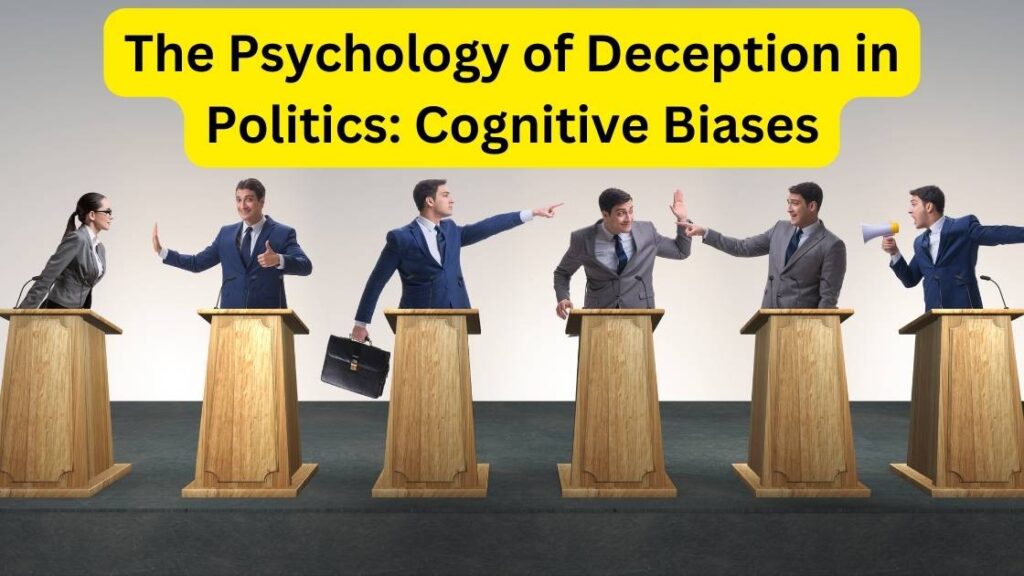
Individuals may be susceptible to manipulation due to various cognitive biases, such as confirmation bias (favoring information that confirms preexisting beliefs), availability heuristic (relying on readily available information), or anchoring bias (being influenced by initial information). Manipulators can exploit these biases to shape perceptions and sway opinions.
Emotional Manipulation:
Manipulation often involves evoking strong emotions, such as fear, anger, or sympathy, which can cloud rational judgment and lead individuals to make decisions based on emotional reactions rather than careful analysis. Emotional manipulation can exploit vulnerabilities and override critical thinking.
Trust and Authority:
People tend to trust and defer to authorities or individuals perceived as credible or knowledgeable. Manipulators may use their position of authority, expertise, or perceived credibility to sway opinions and gain influence over others.
Group Dynamics:
Social influence and conformity play a role in manipulation. People may conform to group norms or the opinions of influential figures to gain acceptance or avoid social rejection. Manipulators can leverage social pressure or the desire to belong to manipulate opinions and behaviors.
Ethical Considerations:
Manipulation techniques raise ethical concerns due to their potential to deceive, exploit vulnerabilities, or undermine informed decision-making. Manipulative tactics can distort public discourse, erode trust, and hinder democratic processes by promoting misinformation, division, and the manipulation of public opinion.
Consequences on Public Trust and Democracy:
The use of manipulation in politics can have far-reaching consequences. It can erode public trust in political institutions, sow division among citizens, and hinder the exchange of diverse ideas and perspectives. Manipulation techniques can undermine the transparency and integrity of democratic processes, impacting the quality of public discourse and the ability of individuals to make informed decisions.
Recognizing the psychological mechanisms behind manipulation and understanding its ethical implications is essential for promoting responsible and ethical political communication. It emphasizes the importance of transparency, integrity, and promoting informed decision-making based on reliable information and critical thinking. Ethical considerations should guide the actions of political actors to maintain public trust and uphold the principles of a healthy democratic society.
3. Examining Case Studies of Political Manipulation Techniques and Their Effects on Public Opinion:
Analyzing historical and contemporary examples of political manipulation, its impact on public opinion, and the role of media, technology, and social networks:
Propaganda during World War II:
The Nazi regime under Adolf Hitler utilized propaganda techniques to manipulate public opinion and consolidate power. The dissemination of false information, demonization of certain groups, and the use of emotional appeals contributed to shaping public perception and support for Nazi ideology.
Cambridge Analytica and the 2016 U.S. Presidential Election:
The data analytics firm Cambridge Analytica obtained personal data from Facebook users without their consent and used it to target political ads during the 2016 U.S. presidential campaign. The manipulation of targeted messaging and the amplification of divisive content on social media platforms influenced public opinion, spread misinformation, and potentially impacted voter behavior.
Brexit Campaign:
During the Brexit referendum in 2016, various manipulative tactics were employed by both sides of the campaign. Misleading claims, emotional appeals, and the framing of issues in a biased manner influenced public opinion and created divisions among voters. The role of social media platforms in disseminating manipulated or false information intensified the impact of these tactics.
Microtargeting and Election Campaigns:
Political campaigns increasingly use sophisticated microtargeting techniques to tailor messages to specific demographic groups. By analyzing individuals’ online behavior and preferences, campaigns can manipulate information to appeal to specific interests or beliefs. The customization of political messages can contribute to polarization and the formation of echo chambers.
These case studies highlight the significant impact of political manipulation on public opinion, attitudes, and behaviors. Manipulative tactics, whether through propaganda, data-driven targeting, or disinformation campaigns, have the potential to distort public discourse, undermine trust, and reinforce existing biases. The role of media, technology, and social networks in amplifying and disseminating manipulative tactics calls for increased media literacy, critical thinking skills, and ethical guidelines to mitigate the effects of manipulation on democratic processes and public perception.
4. Promoting Critical Thinking and Media Literacy:

Promoting critical thinking and media literacy is crucial in empowering individuals to recognize and resist manipulation in political messaging. Here are some strategies to promote these skills:
Education and Awareness:
Integrate media literacy education into school curricula to equip students with the necessary skills to analyze and evaluate media messages critically. Conduct workshops, seminars, and public awareness campaigns to educate the general public about manipulation techniques and the importance of media literacy.
Fact-Checking and Verification:
Encourage individuals to fact-check information before accepting it as true. Teach them how to verify sources, cross-reference information, and identify reliable sources of news and information. Promote the use of fact-checking organizations and tools.
Diverse Source Consumption:
Encourage individuals to diversify their media diet by consuming news and information from multiple sources with varying perspectives. This helps in gaining a broader understanding of complex issues and reduces the risk of falling into echo chambers.
Questioning Assumptions:
Encourage individuals to question their own assumptions and biases when consuming political information. Teach them to critically evaluate the evidence, reasoning, and arguments presented in political messages.
Critical Evaluation of Persuasive Techniques:
Provide individuals with knowledge about common manipulation techniques used in political messaging, such as emotional appeals, logical fallacies, and loaded language. Teach them to recognize these techniques and critically evaluate messages for their validity and intention.
Encouraging Active Engagement:
Foster an environment that encourages active engagement in political discourse. Encourage individuals to participate in debates, discussions, and civic activities, promoting the exchange of diverse perspectives and fostering critical thinking.
Media Literacy in Digital Spaces:
Recognize the importance of media literacy in the digital realm. Teach individuals about the algorithms and filter bubbles that shape their online experiences. Encourage them to be mindful of their online interactions, seek out diverse viewpoints, and critically evaluate the information they encounter.
By promoting critical thinking and media literacy, individuals can develop the skills needed to navigate the complexities of political messaging, resist manipulation, and make well-informed decisions. These skills contribute to a more engaged and informed citizenry, strengthening democratic processes and safeguarding against the influence of manipulative tactics.
5. Ethical Responsibility in Political Communication:
Ethical responsibility in political communication is of paramount importance as it directly impacts public trust, democratic processes, and the overall health of society. Here are some key considerations:
Truthfulness and Accuracy:
Politicians, media organizations, and communicators have an ethical obligation to communicate truthfully and accurately. They should strive to provide reliable information, fact-check claims, and correct any inaccuracies promptly. Misleading or deceptive practices erode public trust and undermine the integrity of political communication.
Transparency and Accountability:
Political actors should be transparent about their intentions, affiliations, and sources of funding. They should disclose conflicts of interest and adhere to ethical standards in their communication. Media organizations should clearly disclose any biases or conflicts of interest that may influence their coverage.
Respect for Diverse Perspectives:
Ethical communication involves respecting diverse perspectives and avoiding the use of discriminatory language or hate speech. Political actors should foster a climate of inclusivity and encourage open dialogue that respects different viewpoints, even when engaging in persuasion.
Responsible Use of Persuasive Techniques:
While persuasion is a legitimate aspect of political communication, it should be exercised responsibly. Political actors should avoid manipulating emotions, spreading fear, or resorting to fallacious reasoning. They should aim for reasoned arguments and evidence-based claims, promoting a healthy and informed public discourse.
Contextual and Nuanced Representation:
Media organizations and communicators should strive to provide a balanced and nuanced representation of political issues. They should avoid oversimplification, cherry-picking information, or presenting one-sided narratives that may distort public understanding.
Public Accountability:
Politicians and media organizations should be accountable to the public they serve. They should actively engage in dialogue, listen to feedback and criticism, and respond to public concerns. Openness to scrutiny and a willingness to acknowledge mistakes and rectify them are essential aspects of ethical responsibility.
Promotion of Civic Education:
Political actors and media organizations can contribute to ethical communication by promoting civic education and media literacy. By empowering citizens with the skills to critically evaluate information, navigate media bias, and engage in informed political discussions, they foster a more informed and engaged electorate.
Ultimately, ethical responsibility in political communication requires a commitment to transparency, honesty, respect for diverse perspectives, and the promotion of public welfare. By upholding these ethical principles, political actors and media organizations can contribute to a more ethical, accountable, and robust democratic system.
Conclusion
The unmasking of psychological manipulation techniques in politics is a vital endeavor in our contemporary political landscape. By understanding the strategies employed and the psychological mechanisms at play, individuals can guard against the undue influence of manipulative tactics and actively engage in informed political discourse. It is incumbent upon citizens to remain vigilant, question the messaging they encounter, and seek out multiple perspectives to avoid being unwittingly swayed by political manipulation. By promoting critical thinking, media literacy, and ethical awareness, society can foster a more informed electorate and cultivate a healthier democratic process. Ultimately, the journey towards unmasking psychological manipulation in politics is a collective responsibility that empowers individuals to engage as active participants in shaping the future of their society.