
Deception is a complex and nuanced phenomenon that operates at the intersection of psychology and politics. In this section, we delve into the fundamental aspects of the psychology of deception, exploring the emotional manipulation, and in the next section the power of persuasion and social influence that contribute to the art of deception in politics.
Emotional Manipulation: Exploiting Feelings for Political Gain
Emotions play a vital role in shaping our political beliefs and behaviors. Politicians and political campaigns understand this well and often employ emotional manipulation as a means of influencing public opinion and garnering support. Emotional appeals can tap into deeply held values, fears, hopes, and aspirations, evoking strong emotional responses that can override rational decision-making processes.
1. Appealing to Fear and Anxiety:
Politicians often employ fear as a persuasive tactic to gain support or advance their political agenda. By tapping into societal anxieties, they create a sense of urgency and aim to influence public opinion. Fearmongering in political campaigns can have a significant impact on decision-making and voter behavior.
1.1 Using Fear as a Persuasive Tactic:
Using fear as a persuasive tactic is a common strategy employed by politicians to influence public opinion and garner support. By highlighting potential threats, dangers, or risks, politicians aim to instill fear in the electorate, creating a sense of urgency and vulnerability. Here are some key aspects to consider regarding the use of fear in political campaigns:
Highlighting Potential Threats:
- Politicians often emphasize various issues or events that can be perceived as threatening, such as crime, terrorism, economic downturns, or social unrest.
- By highlighting these threats, politicians seek to grab the attention of voters and create a sense of concern about the potential negative consequences if the issues are not addressed.
Appealing to Personal Safety, National Security, or Economic Stability:
- Politicians frame their messages to resonate with voters’ concerns for personal safety, national security, or economic stability.
- They may emphasize how certain policies or actions can protect individuals, families, or the nation from perceived threats or risks.
- By linking these concerns to their own campaign promises or policy proposals, politicians aim to position themselves as the solution to alleviate the fears.
Creating a Sense of Vulnerability:
- Politicians leverage fear to create a perception of vulnerability among the electorate.
- They emphasize the potential negative outcomes or consequences if the perceived threats are not addressed promptly and effectively.
- This sense of vulnerability is intended to generate support for the candidate who presents themselves as a strong and capable leader capable of addressing the identified threats.
Emphasizing the Need for Strong Leadership or Policy Measures:
- By highlighting fear-inducing issues, politicians seek to present themselves as leaders who can navigate these challenges and provide effective solutions.
- They may propose policies or measures that are portrayed as necessary to address the perceived threats and protect the electorate.
- This appeals to the desire for stability, security, and a sense of control, making voters more likely to support candidates who promise to tackle the identified fears.
It is important for voters to critically evaluate the use of fear as a persuasive tactic. While genuine concerns and risks exist, it is crucial to distinguish between legitimate issues and manipulative fear-mongering. Engaging in fact-checking, seeking diverse perspectives, and evaluating candidates’ proposed solutions based on evidence and feasibility can help voters make informed decisions that are not solely driven by fear.
Promoting media literacy and critical thinking skills can also empower voters to discern between legitimate concerns and exaggerated claims. By being aware of the emotional impact of fear-based appeals and examining the evidence and reasoning behind political messages, individuals can make more rational and informed choices.
1.2 Exploiting Societal Anxieties:
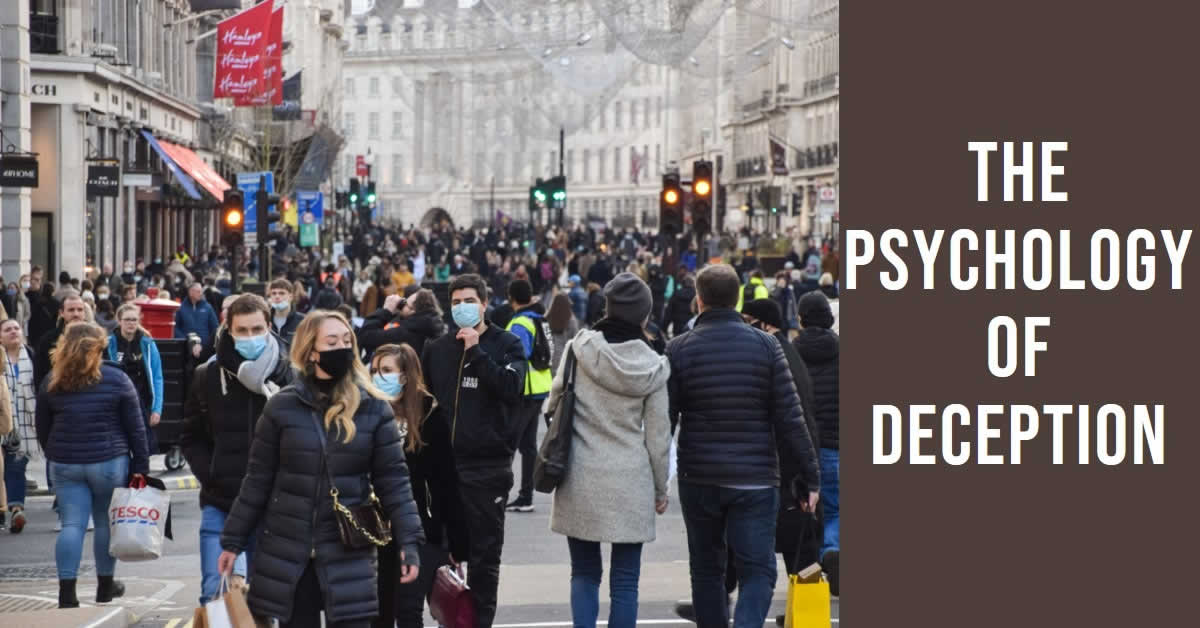
Exploiting societal anxieties is a strategy employed by some politicians to gain political advantage. By identifying existing concerns or fears within society, politicians can tap into these emotions and use them to their advantage. Here are some key aspects to consider regarding as example of emotional manipulation in the exploitation of societal anxieties:
Identifying Existing Anxieties:
- Successful politicians often have a keen understanding of the concerns and fears prevalent within society.
- They identify issues that resonate with the electorate, such as crime rates, immigration, terrorism, or economic uncertainty, which may already cause anxiety or uncertainty among the public.
Amplifying Public Fears:
- Politicians amplify public fears related to these issues to evoke strong emotional responses.
- They emphasize the potential negative consequences or risks associated with these concerns, presenting them as urgent and in need of immediate attention.
- This amplification of fears aims to create a sense of urgency and a perception that the politician understands and is willing to address the anxieties felt by the electorate.
Framing as “Us” vs. a Threatening “Other”:
- Politicians may employ divisive rhetoric that frames societal issues as a battle between “us” (the electorate) and a threatening “other” (e.g., immigrants, rival political groups, different ethnic or religious communities).
- This framing can fuel division and polarize public opinion, as it creates an “us vs. them” narrative and fosters a sense of fear, mistrust, and animosity toward the perceived “other.”
- By positioning themselves as protectors of the “us” group and demonizing the “other,” politicians seek to consolidate support among those who share these anxieties and concerns.
It is important to critically evaluate the exploitation of societal anxieties by politicians. While genuine concerns exist within society, it is crucial to distinguish between valid discussions of pressing issues and manipulative tactics that solely aim to stoke fear and division. Engaging in fact-checking, seeking diverse perspectives, and examining the evidence and reasoning behind political messages can help individuals make more informed and rational decisions.
Promoting empathy, understanding, and constructive dialogue can help counteract divisive narratives and foster a more inclusive and united society. Additionally, encouraging media literacy and critical thinking skills can empower individuals to evaluate political messages and separate fact from emotional manipulation. By addressing anxieties through thoughtful and evidence-based discussions, societies can work towards resolving underlying concerns rather than perpetuating fear and division.
1.3 Examples of Fearmongering in Political Campaigns:

Fearmongering is a common tactic employed in political campaigns to influence public opinion. Here are some examples of fearmongering techniques that have been used as emotional manipulation:
Exaggerating Consequences:
- Politicians may exaggerate the potential consequences of specific policy proposals or actions taken by their opponents.
- They may use alarming language or present worst-case scenarios to create fear and anxiety among voters.
- By magnifying the potential negative outcomes, politicians aim to convince the electorate that their opponent’s actions will have severe and detrimental effects on society.
Emotionally Charged Language:
- Fearmongering often involves the use of vivid and emotionally charged language.
- Politicians may employ strong and alarming words to evoke fear, anger, or outrage among the public.
- This language taps into people’s emotions, making the message more memorable and persuasive.
Selective Information Presentation:
- Fearmongering can involve selectively presenting information that supports a narrative of fear and danger.
- Politicians may highlight isolated incidents or cherry-pick data to create the perception of a widespread problem.
- By omitting contrary evidence or downplaying positive aspects, they can manipulate public perception and reinforce a narrative of fear.
Exploiting Societal Divisions:
- Fearmongering often thrives on exploiting societal divisions, such as those based on race, religion, or nationality.
- Politicians may use divisive rhetoric to create an “us vs. them” mentality, portraying certain groups as threats to the well-being of society.
- By fostering fear and animosity towards these groups, politicians seek to rally support and consolidate their base.
It is important for voters to critically evaluate political messages and be aware of fearmongering tactics for emotional manipulation. By seeking diverse sources of information, fact-checking claims, and evaluating the evidence and reasoning behind fear-based narratives, individuals can make more informed decisions. Engaging in respectful and constructive dialogue can also help challenge fearmongering and promote a more inclusive and understanding society.
1.4 Impact on Decision-Making:
Fear has a significant impact on decision-making processes and can influence individuals’ behaviors and choices in various ways:
Risk Aversion:
- When individuals are driven by fear, they tend to become more risk-averse.
- Fear can heighten the perception of potential threats or negative consequences, leading individuals to prioritize safety and security over other considerations.
- This risk aversion can impact decision-making across different domains, including personal choices, policy preferences, and voting behavior.
Short-Term Focus:
- Fear-based appeals often elicit an immediate emotional response, leading individuals to prioritize short-term security concerns over long-term considerations.
- People may be more inclined to support policies or candidates that promise quick solutions or immediate relief from perceived threats, even if those solutions may not be sustainable or in their long-term best interest.
Emotional Influence:
- Fear has a powerful emotional impact on individuals, and fear-based appeals can exploit these emotions to sway public opinion and influence voting behavior.
- When individuals are in a state of fear, their ability to engage in rational and critical thinking may be compromised.
- Fear can evoke strong emotional responses, making individuals more susceptible to emotional manipulation and persuasive tactics employed by politicians.
Confirmation Bias:
- Fear can reinforce preexisting beliefs and cognitive biases.
- When people are fearful, they may seek out information that confirms their existing fears and beliefs, leading to a reinforcement of their perceptions.
- This confirmation bias can further strengthen the impact of fear-based appeals, as individuals selectively engage with information that aligns with their fears, reinforcing their support for fear-inducing messages.
It is crucial for individuals to be aware of the influence of fear on decision-making processes. By practicing critical thinking, evaluating evidence and data, considering long-term consequences, and being mindful of emotional appeals, individuals can make more informed and rational decisions that align with their values and interests. Additionally, promoting a well-informed and engaged citizenry through media literacy and education can help counter the manipulative effects of fear-based appeals on public opinion and decision-making.
2. Stoking Anger and Resentment:

Politicians often exploit collective anger or resentment as a means to rally support and create a sense of unity among certain segments of the population. By utilizing divisive rhetoric and scapegoating strategies as emotional manipulation, they aim to channel public frustration and shape public opinion to their advantage. Anger-based political messaging can significantly influence voter behavior and political outcomes.
2.1 Tapping into Collective Anger or Resentment:
Tapping into collective anger or resentment is a tactic employed by some politicians to gain support and mobilize specific groups. This strategy involves identifying and capitalizing on societal grievances or perceived injustices to rally a sense of shared anger or resentment. Here’s how it can manifest:
Identifying Societal Grievances:
- Politicians keen on this approach identify prevalent societal issues or grievances that resonate with a particular group or community.
- These grievances may include economic inequality, social injustices, perceived political corruption, or cultural marginalization.
Capitalizing on Frustrations:
- Politicians leverage the collective frustrations felt by a target group and present themselves as champions who will address these grievances.
- They tap into the emotions associated with anger, resentment, or disillusionment, making the group feel heard, understood, and validated.
Shared Sense of Identity:
- By presenting themselves as representatives of the marginalized or disenfranchised, politicians aim to create a shared sense of identity and solidarity within the targeted group.
- They may use rhetoric that highlights “us versus them” dynamics, framing the group as victims and positioning themselves as the voice of the oppressed.
Promising Change and Justice:
- Politicians who tap into collective anger or resentment often promise to address the identified grievances and rectify perceived injustices.
- They offer policy proposals, reforms, or initiatives that resonate with the concerns of the group, positioning themselves as the solution to their frustrations.
It’s important to note that while this strategy may effectively mobilize certain groups, it can also contribute to polarization and division within society. It is crucial for individuals to critically evaluate the proposed solutions and assess whether they address underlying problems effectively and promote inclusivity and social cohesion. By promoting open dialogue, empathy, and a focus on constructive solutions, societies can work towards addressing grievances in a way that fosters unity and progress.
2.2 Utilizing Divisive Rhetoric and Scapegoating Strategies:
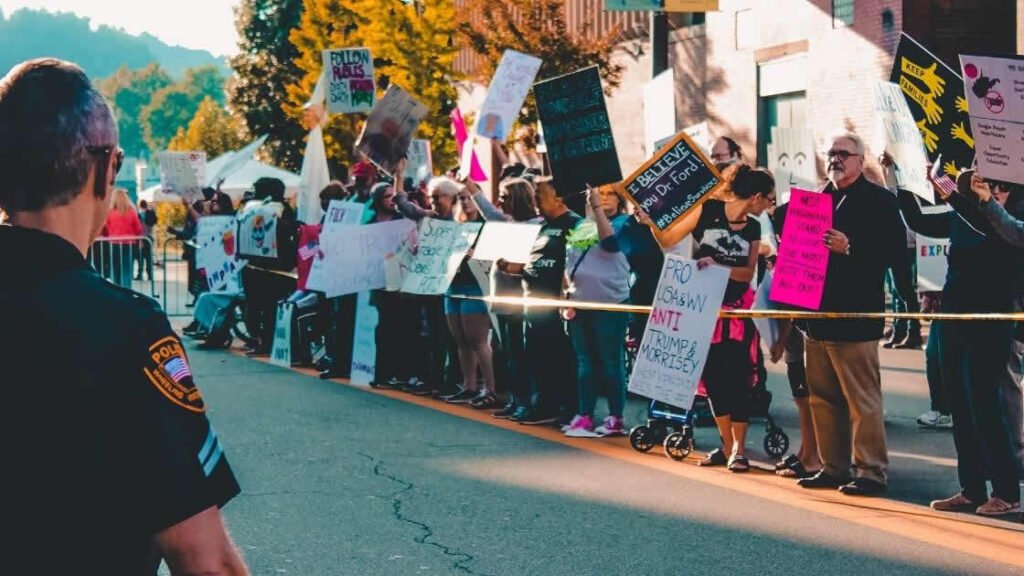
Utilizing divisive rhetoric and scapegoating strategies as emotional manipulation is a tactic employed by some politicians to create division and mobilize support. Here are key points to consider:
Polarizing Language and “Us” versus “Them” Framing:
- Politicians may use polarizing language to create a sense of identity and solidarity among their supporters.
- They frame political issues as a battle between “us” (the perceived righteous or favored group) and “them” (the identified target or opposition).
Blaming Specific Groups or Individuals:
- Politicians may assign blame for societal problems or challenges to specific groups or individuals.
- By scapegoating, they position these groups or individuals as the cause of anger, discontent, or perceived threats to the well-being of the targeted audience.
Diverting Attention from Systemic Issues:
- Some politicians employ scapegoating strategies to divert attention away from systemic or complex issues that require broader analysis and solutions.
- By redirecting public frustration towards convenient targets, they can avoid addressing underlying structural problems.
It is important to critically evaluate such rhetoric and strategies, as they can contribute to social polarization, stigmatization, and the erosion of social cohesion. Engaging in informed and inclusive discussions that focus on understanding the complexity of issues and seeking collaborative solutions can help counteract the negative impact of divisive rhetoric and scapegoating strategies.
2.3 Examples of Anger-Based Political Messaging:
Examples of anger-based political messaging can be seen in various contexts and campaigns. Here are some common tactics used:
Inflammatory Language and Personal Attacks:
- Politicians may use aggressive or derogatory language targeting opponents, seeking to provoke anger among their supporters.
- Personal attacks can involve name-calling, character assassination, or spreading misinformation about individuals or groups.
- By creating an “us versus them” narrative and portraying opponents as enemies, politicians aim to stoke anger and mobilize their base.
Exploiting Cultural, Racial, or Ethnic Tensions:
- Some politicians may exploit existing divisions or prejudices within society, leveraging cultural, racial, or ethnic tensions for political gain.
- They may employ dog-whistle politics, using coded language that appeals to specific biases or fears.
- By framing issues through a lens of cultural or identity-based conflict, politicians can generate anger and animosity among certain segments of the population.
Populist Sentiments and Anti-Establishment Rhetoric:
- Political campaigns may tap into public resentment towards established institutions, portraying themselves as outsiders fighting against a corrupt or out-of-touch establishment.
- They may highlight economic inequality, loss of jobs, or perceived elitism to fuel anger and frustration among marginalized or disenfranchised groups.
- By positioning themselves as champions of the people and promising radical change, politicians can attract support from those who feel their grievances have been ignored.
It is important to critically assess anger-based political messaging and recognize when it is used to manipulate emotions rather than foster productive dialogue. Being aware of these tactics can help individuals make informed decisions and engage in constructive discussions based on facts and evidence. By promoting inclusivity, empathy, and a focus on shared goals, societies can work towards addressing grievances and finding common ground.
2.4 Influence on Voter Behavior:
Anger can have a significant influence on voter behavior. Here are some key points to consider:
Emotional Appeal and Political Engagement:
- Anger can serve as a powerful motivator for political engagement and action. It can ignite passion and energize individuals to participate in political processes, such as voting, attending rallies, or joining grassroots movements.
- Anger-based messaging taps into people’s frustrations and grievances, resonating with their emotional experiences and creating a sense of urgency to address perceived injustices.
Override of Rational Decision-Making:
- When individuals are driven by anger, their decision-making processes can be influenced by emotions rather than rationality.
- Anger can override careful deliberation and lead to impulsive choices. It may cause individuals to prioritize immediate emotional satisfaction or retaliation over long-term considerations or the evaluation of comprehensive policy proposals.
Polarization and Influence on Voting Behavior:
- Anger-based messaging can polarize public opinion by deepening existing divisions and reinforcing “us” versus “them” narratives.
- By appealing to anger and resentment, politicians may mobilize their supporters and influence their voting behavior. Anger can foster a sense of solidarity within a particular group and drive them to support candidates who they perceive as addressing their grievances.
It is important for voters to be aware of the emotional influence of anger on decision-making processes. Engaging in critical thinking, considering diverse perspectives, and evaluating policy proposals based on their merits can help mitigate the potential negative consequences of anger-based messaging and ensure a more informed and balanced approach to voting.
3. Eliciting Empathy and Compassion:

Politicians often employ strategies to evoke empathy and compassion in order to establish an emotional connection with the electorate. By utilizing personal stories, anecdotes, or appeals to shared values, they aim to generate a sense of compassion and understanding. Empathy-driven political narratives can have a significant impact on public sentiment and shape political outcomes and cab be used as emotional manipulation.
3.1 Eliciting Empathy to Connect Emotionally:
Eliciting empathy is a powerful strategy used by politicians to connect with the electorate on an emotional level. Here are some key points to consider:
Sharing Personal Experiences or Narratives:
- Politicians often share personal stories or narratives that reflect the challenges, triumphs, or hardships they or their constituents have faced. These stories humanize the candidates and make them relatable to the experiences of the electorate.
- By sharing personal experiences, politicians aim to demonstrate empathy and understanding of the issues that impact people’s lives, fostering a sense of connection and shared values.
Communicating Vulnerability, Authenticity, and Relatability:
- Politicians who communicate vulnerability and authenticity can build trust and emotional connections with voters. When politicians openly share their struggles, doubts, or personal setbacks, it can resonate with individuals who have faced similar challenges.
- Relatability is crucial in establishing a connection. When politicians express their genuine emotions, vulnerabilities, and aspirations, it can create a sense of authenticity that appeals to voters’ desire for genuine leadership.
Creating a Sense of Shared Understanding and Common Ground:
- By emphasizing shared experiences, values, or aspirations, politicians seek to foster empathy and build bridges between themselves and the electorate.
- When politicians articulate policies or positions in a way that demonstrates an understanding of the concerns and needs of the people they represent, it can create a sense of shared understanding and common ground. This approach helps to establish an emotional connection and build trust.
Eliciting empathy through personal experiences and relatable narratives can help politicians establish an emotional connection with voters. However, it is important for voters to critically evaluate the policies and actions of politicians beyond emotional appeals to ensure that their choices align with their values and long-term interests.
3.2 Utilizing Personal Stories and Anecdotes:
Utilizing personal stories and anecdotes is a common strategy employed by politicians to generate empathy and connect with their audience. Here’s how it works:
Sharing Stories of Challenges or Hardships:
- Politicians often share stories of individuals or communities facing challenges, such as economic hardships, healthcare struggles, or educational barriers. By highlighting these stories, they aim to evoke empathy and compassion from the audience.
- Personalizing larger issues through individual stories can make complex political problems more relatable and understandable. It helps humanize statistics and policies, making them more emotionally resonant.
Highlighting Personal Struggles, Triumphs, or Sacrifices:
- Politicians may share personal stories that showcase their own struggles, triumphs, or sacrifices. By doing so, they create a narrative that portrays them as relatable individuals who have overcome obstacles or made sacrifices for the betterment of others.
- Sharing personal experiences can help establish a connection between the politician and the audience, as people often appreciate leaders who have faced similar challenges or have demonstrated resilience.
Humanizing Complex Political Issues:
- Personal stories and experiences can humanize complex political issues by putting a face to the problem. Instead of discussing abstract policies or statistics, politicians use individual narratives to illustrate the real-life impact of these issues on people’s lives.
- By presenting specific stories, politicians aim to make their policy positions more relatable and emotionally compelling, encouraging the audience to empathize with those affected by the issues at hand.
It is important for voters to recognize that personal stories and anecdotes are persuasive tools used in political communication. While they can evoke empathy and create an emotional bond, it is essential to critically evaluate the broader policy proposals and positions put forth by politicians to ensure they align with one’s values and address systemic challenges effectively.
3.3 Appeals to Shared Values and Collective Responsibility:
Appeals to shared values and collective responsibility are strategies used by politicians to connect with the electorate and foster a sense of unity. Here’s how they work:
Framing Messages around Shared Values:
- Politicians often emphasize shared values, such as justice, equality, compassion, freedom, or opportunity, in their communication. By aligning their messages with these values, they seek to resonate with a broader audience and tap into common aspirations and beliefs.
- Framing political issues and policies in the context of shared values can create a sense of moral alignment and generate support from individuals who prioritize those values in their decision-making.
Emphasizing Collective Responsibility:
- Politicians may emphasize the collective responsibility to address societal issues and improve the well-being of all citizens. This approach highlights the idea that everyone has a stake in building a better society and that the solutions require collective effort and collaboration.
- By emphasizing collective responsibility, politicians aim to foster a sense of unity and shared purpose, encouraging citizens to see themselves as active participants in the democratic process and agents of positive change.
Promoting a Sense of Unity and Solidarity:
- Appeals to shared values and collective responsibility can promote a sense of unity and solidarity among diverse groups of people. By highlighting our innate human capacity for empathy, politicians aim to bridge divides and create a sense of common ground.
- This approach seeks to transcend partisan or ideological differences and focus on the broader goals and values that unite society. It emphasizes the idea that we are all interconnected and that our collective well-being depends on our ability to work together.
However, it is important for voters to critically evaluate the actions and policies of politicians to ensure they genuinely align with the shared values and collective responsibility they espouse. Political rhetoric and messaging should be evaluated in conjunction with the track record and consistency of the politicians’ actions and policy positions to determine their credibility and commitment to these ideals.
3.4 Examples of Empathy-Driven Political Narratives:
Politicians Sharing Personal Experiences:
- Politician shares their personal story of growing up in poverty and how they overcame challenges to become successful. This narrative aims to connect with voters who have faced similar hardships and resonate with their struggles.
- A candidate belonging to an underrepresented or marginalized community shares their experiences of discrimination and inequality, highlighting the need for representation and advocating for social justice.
Campaigns for Social Justice and Equity:
- A political campaign focuses on addressing income inequality, advocating for fair wages, and highlighting the stories of workers struggling to make ends meet. The goal is to generate empathy and mobilize support for policies that promote economic equity.
- A candidate runs a campaign centered around criminal justice reform, sharing stories of individuals impacted by systemic issues such as wrongful convictions or excessive sentencing. The aim is to evoke empathy and galvanize support for changes in the justice system.
Highlighting Individual Stories for Policy Change:
- A politician shares the story of a family struggling to access affordable healthcare, emphasizing the need for healthcare reform and highlighting the human impact of inadequate coverage.
- A candidate focuses on the stories of immigrants or refugees, sharing the challenges they face and advocating for compassionate immigration policies. This approach aims to evoke empathy and challenge negative stereotypes or misconceptions.
These empathy-driven narratives aim to humanize complex political issues and connect with voters on an emotional level. By sharing personal stories and highlighting the experiences of marginalized or affected individuals, politicians seek to generate compassion, understanding, and support for their policy proposals or broader social causes.
3.5 Impact on Public Sentiment:
Empathy-driven narratives can have a profound impact on public sentiment, influencing public perception, driving engagement, and promoting collective action. Here’s a closer look at their impact:
Shaping Public Perception and Opinion:
- Empathy-driven narratives tap into the emotional resonance of shared experiences and values, allowing people to connect on a deeper level. These narratives humanize political issues and make them relatable, influencing how the public perceives and understands them.
- By sharing personal stories and experiences, empathy-driven narratives create a sense of authenticity and trust. They can challenge stereotypes, debunk misconceptions, and provide a more nuanced perspective on complex issues.
- When individuals can see themselves or others in the narratives, it becomes easier for them to relate and empathize. This can lead to a shift in public sentiment, generating support for specific causes or policies.
Increased Engagement, Activism, and Support:
- Empathy-driven narratives have the potential to inspire increased engagement, activism, and support for political causes. When people are emotionally moved by these narratives, they are more likely to take action.
- Sharing personal stories of struggle, resilience, or triumph can evoke empathy and motivate individuals to get involved. This can manifest in various forms, such as volunteering, attending rallies or protests, donating to causes, or participating in grassroots movements.
- Empathy-driven narratives create a sense of urgency and collective responsibility, encouraging individuals to stand up for what they believe in and work towards positive change.
Bridging Divides and Fostering Understanding:
- Empathy has the unique ability to bridge divides and foster understanding between different groups. Empathy-driven narratives highlight shared experiences and values, fostering empathy and compassion across diverse perspectives.
- By recognizing the humanity in others, empathy-driven narratives promote dialogue, respect, and open-mindedness. They can break down barriers, challenge stereotypes, and promote empathy as a unifying force.
- When individuals are able to empathize with the experiences of others, it promotes a sense of shared responsibility and encourages collaboration to address societal challenges.
Promoting Collective Action for Positive Change:
- Empathy-driven narratives can inspire collective action toward positive change. When people are emotionally moved by these narratives, they are more likely to come together and work towards a common goal.
- By highlighting the stories and experiences of marginalized communities or individuals facing adversity, empathy-driven narratives create a sense of injustice and a call to action.
- These narratives galvanize individuals to support policies, initiatives, or candidates that prioritize social justice, equality, and compassion. They encourage people to stand up for those who are marginalized or oppressed.
In summary, empathy-driven narratives have a powerful impact on public sentiment. They shape public perception, drive engagement and support, bridge divides, foster understanding, and promote collective action for positive change. By appealing to the emotional side of human nature, empathy-driven narratives have the potential to inspire transformative shifts in public opinion and mobilize individuals toward a more inclusive and equitable society.
4. Triggering Hope and Optimism:

Politicians often utilize strategies to inspire hope and optimism among the electorate as a means to mobilize support. By employing positive messaging, future-oriented visions, and promises of change, they aim to create a sense of optimism and motivate individuals to actively engage in the political process. Hope-based political campaigns have the potential to significantly influence voter engagement and shape political outcomes, but it can be also used for emotional manipulation.
4.1 Inspiring Hope and Optimism:
Inspiring hope and optimism is an important aspect of political communication. Politicians often strive to articulate a positive vision for the future, offering a sense of possibility, progress, and a better tomorrow. Here’s a closer look at how they do it:
Articulating a Positive Vision:
- Politicians communicate their vision for the future by presenting a clear and compelling narrative. They outline their goals, aspirations, and the positive changes they aim to bring about.
- This vision encompasses various aspects such as economic growth, social progress, environmental sustainability, or improvements in healthcare and education. It paints a picture of a society that is thriving, inclusive, and equitable.
- The vision is communicated through speeches, campaign materials, and other platforms, using persuasive and optimistic language to captivate the electorate.
Communicating Optimism:
- Politicians emphasize optimism by highlighting the potential for progress and the opportunities that lie ahead. They communicate a belief that challenges can be overcome and that the collective efforts of society can lead to positive outcomes.
- They acknowledge the obstacles and difficulties faced by the country or community but focus on the potential for growth, development, and improvement. They instill a sense of hope and positivity in their messaging.
- By framing challenges as opportunities for positive change, politicians inspire optimism and motivate the electorate to actively participate in the political process.
Resonating with Aspirations and Values:
- Politicians connect with the electorate by aligning their positive vision with the aspirations and values of the people. They identify the issues that matter most to the public and present their vision as a solution or a way forward.
- They address the concerns, hopes, and desires of the electorate, emphasizing how their proposed policies or initiatives can bring about the desired outcomes.
- By demonstrating an understanding of the people’s needs and aspirations, politicians establish a connection and inspire confidence that they can deliver on their positive vision.
Inspiring Trust and Confidence:
- Articulating a positive vision for the future helps politicians build trust and confidence among the electorate. When politicians convey optimism, it fosters a sense of belief that they can lead and deliver on their promises.
- Positive messaging creates an emotional appeal, appealing to the electorate’s desire for a brighter future. It helps generate enthusiasm and support for the candidate or the party.
- By offering hope and optimism, politicians can inspire the public to actively engage in the political process, mobilize support, and work together towards the shared vision of a better future.
In summary, politicians inspire hope and optimism by articulating a positive vision for the future, communicating optimism, resonating with the aspirations and values of the electorate, and inspiring trust and confidence. By presenting a compelling narrative of progress and possibility, politicians aim to motivate the public to actively participate in the political process and work towards a future that aligns with their collective aspirations and values.
4.2 Utilizing Positive Messaging:
Utilizing positive messaging is a strategy employed by politicians to convey a sense of optimism, inspire confidence, and engage the electorate. Here are some ways in which positive messaging is utilized:
Emphasizing Strengths and Achievements:
- Politicians highlight the strengths and accomplishments of their country, community, or campaign. They showcase positive aspects such as economic growth, advancements in infrastructure, educational achievements, or social progress.
- By highlighting strengths and achievements, politicians create a positive image and instill a sense of pride and confidence among the electorate.
Focusing on Positive Outcomes:
- Positive messaging centers around the potential benefits and positive outcomes that can be achieved through specific policies, initiatives, or actions.
- Politicians outline how their proposed plans can lead to improved economic conditions, better healthcare services, increased job opportunities, environmental sustainability, or other desired outcomes.
- By focusing on positive outcomes, politicians aim to generate enthusiasm and support for their ideas and motivate the electorate to rally behind their vision.
Highlighting Success Stories and Positive Change:
- Politicians share success stories or examples of positive change to illustrate the impact of their policies or actions.
- These stories can be personal anecdotes, community success stories, or examples of transformative changes in other regions or countries.
- By showcasing positive change, politicians create a sense of possibility and demonstrate that positive outcomes are attainable.
Instilling Confidence and Hope:
- Positive messaging is designed to instill confidence in the electorate. Politicians communicate their belief in the potential for success and assure the public that they have the ability to deliver positive change.
- By emphasizing strengths, positive outcomes, and success stories, politicians inspire hope and create a sense of optimism about the future.
- Positive messaging helps counter cynicism and apathy, encouraging the electorate to actively engage in the political process and believe in the power of collective action.
In summary, positive messaging involves crafting messages that emphasize strengths, achievements, and potential successes. It focuses on the positive outcomes that can be achieved through specific policies or actions, highlights success stories and positive change, and aims to instill confidence and hope. By utilizing positive messaging, politicians seek to engage and inspire the electorate, encouraging them to support their vision and work together towards a better future.
4.3 Future-Oriented Visions:

Future-oriented visions are a key aspect of political communication. They involve presenting a clear roadmap for the future, outlining specific goals, and articulating strategies to achieve them. But in many cases, the future-oriented visions are used for emotional manipulation techniques to convince voters and never had any plans to implement if elected. Here’s how future-oriented visions are utilized:
Clear Roadmap and Specific Goals:
- Politicians provide a detailed plan and outline specific goals they aim to achieve during their tenure or through their policies.
- They communicate their vision in a way that is understandable and relatable to the electorate, breaking down complex ideas into actionable steps.
- By presenting a clear roadmap and specific goals, politicians offer a sense of direction and purpose, allowing the electorate to envision the path ahead.
Vision of Progress and Transformation:
- Future-oriented visions often revolve around progress, innovation, or social transformation. Politicians articulate a vision of a better society or a brighter future that captures the imagination of the electorate.
- They highlight potential advancements in areas such as technology, healthcare, education, infrastructure, or environmental sustainability, inspiring hope and enthusiasm for positive change.
- By offering a vision of progress and transformation, politicians tap into the aspirations and desires of individuals, appealing to their belief in continuous improvement and a better quality of life.
Alignment with Hopes and Aspirations:
- Successful future-oriented visions align with the hopes, aspirations, and values of the electorate.
- Politicians identify the key concerns, desires, and priorities of the people they seek to represent and tailor their vision to address those needs.
- By aligning with the hopes and aspirations of individuals, politicians create a sense of connection and resonate with the electorate on a personal level.
Future-oriented visions serve as a guidepost for the electorate, providing a sense of purpose and direction. They offer a roadmap with specific goals, articulate a vision of progress and transformation, and align with the hopes and aspirations of individuals. By presenting a compelling and achievable future-oriented vision, politicians inspire the electorate, mobilize support, and rally people around a common goal.
4.4 Promises of Change
Promises of change are a common strategy used by politicians to engage and mobilize the electorate. Here’s how promises of change are typically utilized:
Policy Reforms and Initiatives:
- Politicians propose specific policy reforms, initiatives, or actions that promise positive and tangible outcomes.
- These proposals address pressing issues or societal concerns, offering solutions and generating optimism among the electorate.
- By presenting well-thought-out and practical policy ideas, politicians demonstrate their commitment to bringing about meaningful change.
Solutions to Pressing Issues:
- Promises of change often focus on addressing pressing issues that affect people’s lives.
- Politicians identify the key challenges faced by the electorate, such as healthcare, education, economy, climate change, or social inequality, and offer concrete plans to tackle these issues.
- By presenting comprehensive and effective solutions, politicians instill hope and generate support from those who are impacted by these challenges.
Departure from the Status Quo:
- Promises of change are often accompanied by a narrative of departure from the current state of affairs.
- Politicians position themselves as agents of change, emphasizing their commitment to breaking away from the status quo and implementing new approaches.
- By offering a fresh perspective and a departure from existing policies or practices, politicians appeal to those who seek transformation and improvement.
Promises of change serve as a rallying point for the electorate, offering solutions to pressing issues and generating optimism for a better future. By proposing policy reforms, addressing societal concerns, and presenting oneself as an agent of change, politicians aim to garner support and create momentum for their vision of a different and improved future.
4.5 Examples of Hope-Based Political Campaigns:
Barack Obama’s 2008 Presidential Campaign:
- Barack Obama’s campaign was centered around the theme of hope and change, inspiring millions of supporters.
- His campaign slogan, “Yes We Can,” conveyed a message of optimism and unity, resonating with voters who sought transformative leadership.
- Obama’s speeches emphasized a vision for a better future, focusing on issues such as healthcare reform, economic opportunity, and racial unity.
Jacinda Ardern’s Leadership in New Zealand:
- Jacinda Ardern, the Prime Minister of New Zealand, has been known for her hope-based leadership style.
- She has emphasized empathy, compassion, and unity in her political messaging, particularly during times of crisis such as the Christchurch mosque shootings and the COVID-19 pandemic.
- Ardern’s leadership has garnered international attention for her ability to inspire hope and mobilize support, particularly among young voters.
The Civil Rights Movement in the United States:
- The Civil Rights Movement in the 1950s and 1960s was driven by a shared sense of hope for racial equality and social justice.
- Leaders such as Martin Luther King Jr. and Rosa Parks inspired and mobilized supporters through their hopeful messaging, advocating for nonviolent protest and equal rights.
- The movement galvanized public sentiment, leading to significant policy changes and advancements in civil rights.
Emmanuel Macron’s En Marche! Movement in France:
- Emmanuel Macron’s En Marche! movement, which propelled him to the presidency in 2017, focused on a hopeful vision for France’s future.
- Macron campaigned on a platform of economic reforms, social progress, and European integration.
- His messaging emphasized unity, innovation, and overcoming partisan divisions, resonating with many voters who were seeking a new and optimistic direction for the country.
Hope-based political campaigns and leaders have the potential to inspire and mobilize supporters by offering a vision of a better future, emphasizing unity, and addressing pressing issues. These examples demonstrate how hope can be a powerful motivator in driving voter engagement, participation, and societal change.
4.6 Influence on Voter Engagement:
Hope and optimism can have a significant influence on voter engagement and participation in the following ways:
Motivational Power:
Hope and optimism can inspire individuals to take action and engage in the political process. When people believe in the possibility of positive change and a better future, they are more likely to be motivated to participate, such as registering to vote, attending campaign events, volunteering, and advocating for their preferred candidates or causes.
Mobilizing Previously Disengaged Individuals:
Hope-based campaigns have the potential to reach and mobilize segments of the electorate that may have been disengaged or apathetic in the past. By offering a vision of progress and addressing the concerns and aspirations of these individuals, hope-based messages can resonate and encourage them to become active participants in the political process.
Empowerment and Agency:
Messages of hope can instill a sense of empowerment and agency among voters. By presenting a positive vision and emphasizing that individual actions can contribute to positive change, hope-based campaigns can make voters feel that their voices and actions matter. This can increase their sense of responsibility and commitment to participating in elections and other political activities.
Collective Responsibility:
Hope-based campaigns often emphasize collective responsibility and the idea that positive change requires the collective effort of individuals and communities. By highlighting shared values, common goals, and the potential for collective action, these campaigns can foster a sense of belonging and unity, motivating individuals to engage in the political process to contribute to the realization of a hopeful vision.
Overall, hope and optimism can play a crucial role in encouraging voter engagement by providing individuals with a sense of purpose, possibility, and agency. Hope-based campaigns have the potential to mobilize previously disengaged individuals and foster a collective sense of responsibility for shaping the future through active political participation.